Before 1821, Ripley people had to travel to Pentrich to go to church, just as they had for centuries. In the years following the establishment of the Butterley Company in 1790, however, the population of Ripley had grown quickly, and Pentrich church, which seated only 300, almost all of which were pews rented by the more well-off, could no longer cater for the numbers.
The 1817 Pentrich Revolution was blamed by some on the lack of church provision for local working people, and immediately afterwards a subscription was set up to provide a church, or more strictly a chapel of ease, in Ripley. The vicar of Pentrich, the Rev. John Wood (of the Wood family of Swanwick Hall), The Bishop of Lichfield and the Duke of Devonshire, who owned most of Pentrich, all were keen supporters

John Wood contributed part of the land for the church which was built in 1820 at a cost of £1600. As consecrated on 27th July 1821, it had 600 seats, of which 200 were private rented pews, leaving 400 for the poorer people of the town. Many people understandably attended the non-conformist chapels: by the 1850s the town had chapels for Baptists, Wesleyans, Primitive Methodists and Unitarians.
In 1855 Ripley was made a separate parish to Pentrich, the Rev. J. Clarke being the first vicar. The boundary between the parishes lay along the Cromford canal from Hartshay Hill to Butterley Reservoir. The church was enlarged and partially rebuilt, with support from the Butterley Company, in 1861.
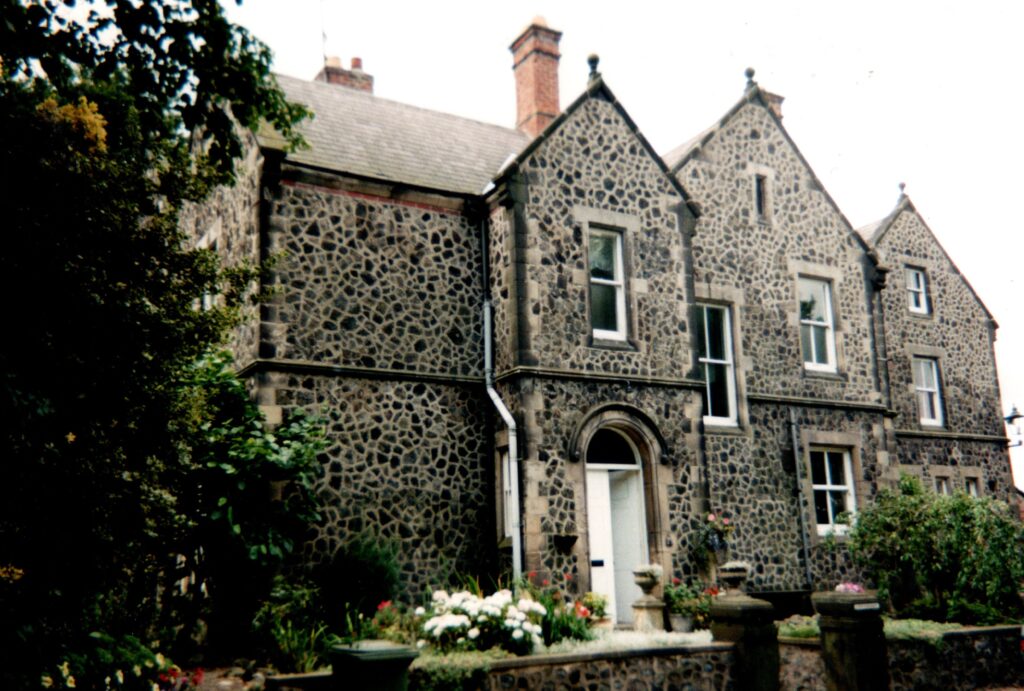
It was lit by gas, initially provided from Crossley’s factory gas supply. In 1868 a gas explosion shattered the windows and wrecked the organ, which was replaced by a new one paid for by William Jessop.In 1865 a new vicarage was built, paid for partly by Francis Wright, the walls built of furnace slack from Butterley.
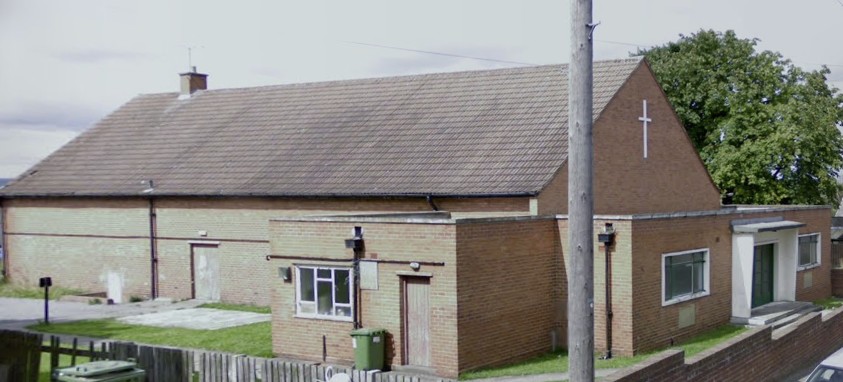
In 1871 a sister church was built for the growing Southern end of the town, again largely paid for by Butterley. It started life as a corrugated sheet construction but the foundation stones of the brick church were laid in 1873, both churches being dedicated to St John, as chapels of the Parish Church. It seated 400; an organ was added in 1906, a lectern in 1908 and a chancel in 1938. A church hall was built in 1955. St John’s Church closed for financial reasons in 1983 and it was sold to the Pentecostal Church, who renamed it as The Springs of Living Water in 1990.

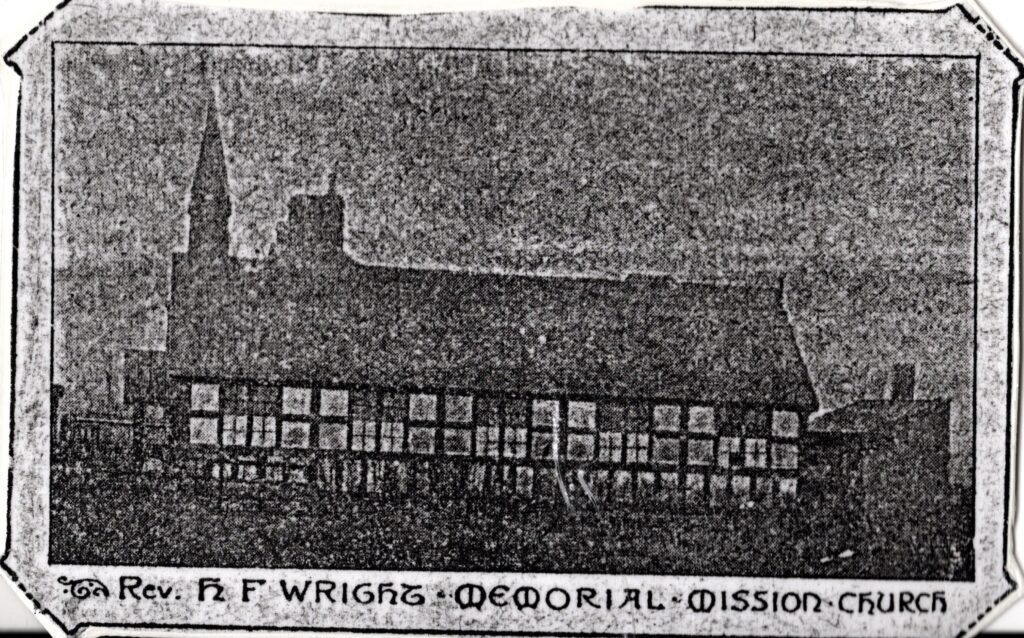
There was also another mission church built in 1895 on Albion Street, just beyond the railway track, now the Greenway, in memory of Henry Wright, a curate who left to become a missionary in India and died there. It was a wooden structure which closed in 1965 and was demolished in 1996.
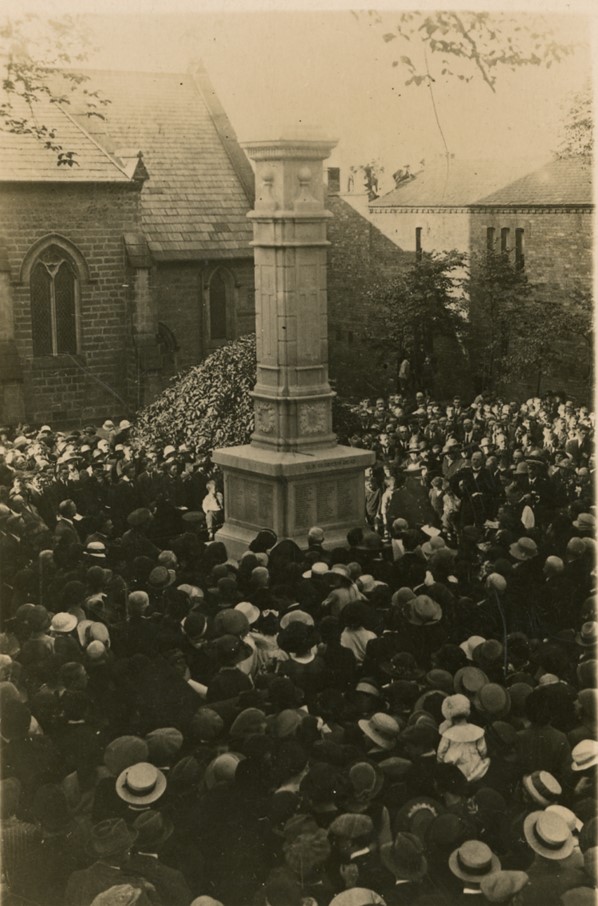
The War Memorial in All Saints churchyard was unveiled on 10th August 1923 and listed the names of the 202 men who died in WW1. The names of those who died in WW2 and later were added in 2003.
A new church hall was planned in the 1930s, to be called the Wright Memorial Hall. It was eventually built in 1956, and dedicated to Albert Leslie Wright. It was demolished in 2021.
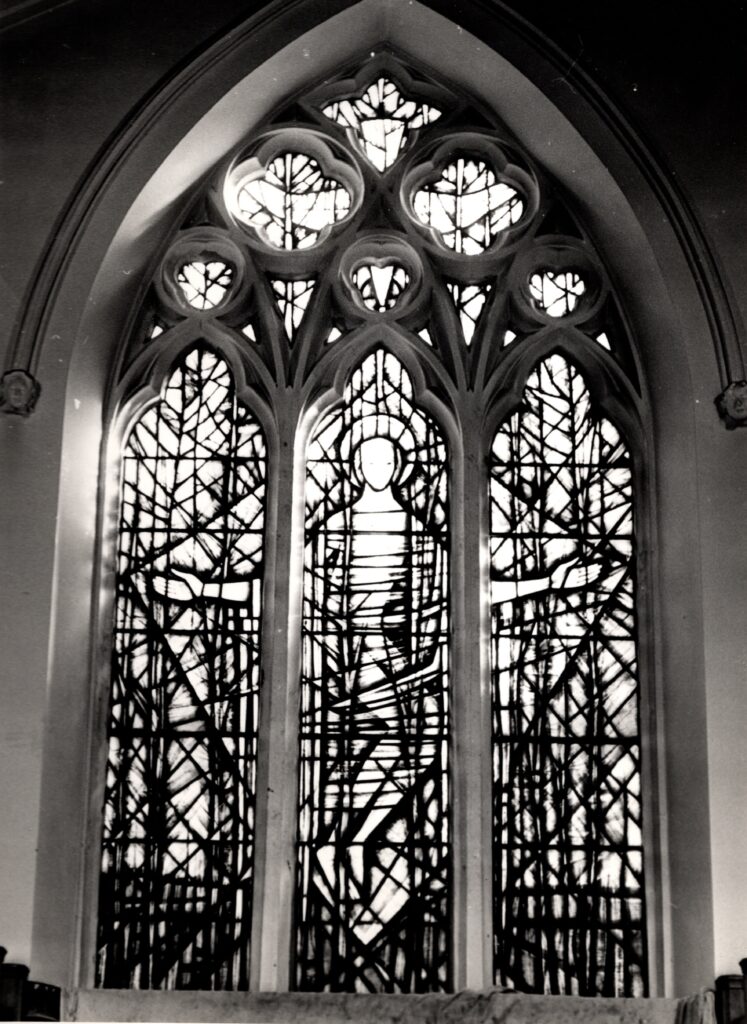
In 1969 a new stained-glass window was installed in the chancel of All Saints, and an extension was completed in 1999, whilst the church was internally remodelled to provide a flexible space for the varied activities that now take place there.