From the beginning, the Butterley Company exported their products all over the world, and especially to India.
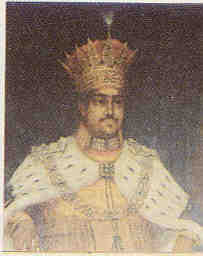
Henry Jessop, son of the co-founder of the company, worked for both the Butterley Company and the East India Company and through him in 1815 the Nawab of Oudh ordered a steam engine from the Butterley Ironworks to work the fans (punkas) in his palace at Lucknow, costing £250 (in today’s money, just under £20,000). It was probably India’s first.
Before 1830 the Butterley Company had made over 150 engines for India.
The Nawab appears to have supported technology and also ordered the first steam vessel which sailed on Indian waters, a pleasure boat for the use of his son. It was 50ft long, 9ft wide with a depth of 4ft. The single cylinder engine was cast at the Butterley Ironworks in 1819 and powered the side paddles at 7-8 m.p.h.

Butterley was also responsible for the first cast-iron bridge in India, across the river Gompti in Lucknow, in 1815.
It was cast in 2,500 pieces and dispatched by canal and sailing ship around the Cape of Good Hope. Henry Jessop travelled to India to supervise its erection, but the Nawab had died before the bridge could be erected and the new Nawab found other jobs for him to do for 3 years, until he eventually returned home.

The bridge was not erected until over 20 years later when another Nawab had come to power.
In 1820 Henry and his brother George also bought India’s first engineering company, Breen and Co, founded in Calcutta in 1788, and renamed it Jessop and Co. The firm, no longer owned by Butterley, became a giant concern and lasted until a few years ago.